
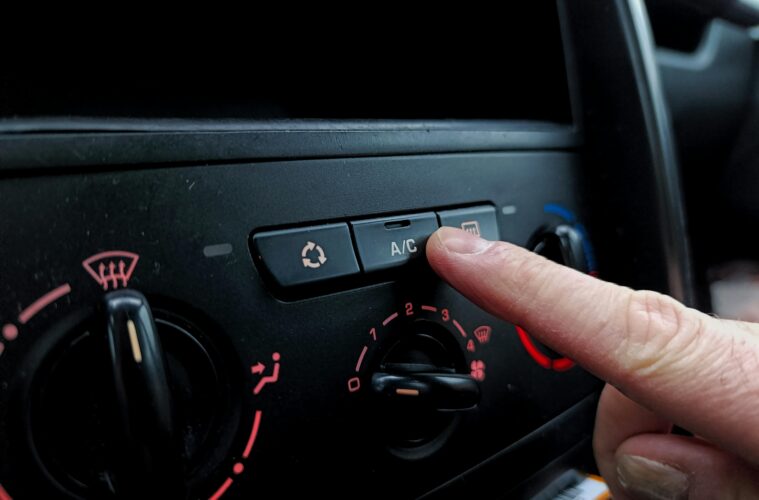
For years, automakers seemed determined to replace every button, knob, and switch with a touchscreen.
Climate controls, radio volume, seat settings, and even glove box releases started moving into digital menus. The goal was to create sleek, modern interiors that felt more like smartphones.
But in 2026, many manufacturers are discovering something surprising: drivers still like buttons.
The Touchscreen Revolution
Large touchscreens became one of the biggest automotive trends of the last decade.
Manufacturers liked them because they:
- Look modern
- Allow software updates
- Reduce the number of physical parts
- Create a premium appearance
Cars from Tesla, Mercedes-Benz, BMW, and many others embraced the idea of controlling nearly everything through a screen.
Drivers Started Complaining
The problem wasn’t the screens themselves.
The problem was putting basic functions inside multiple menus.
Many drivers became frustrated because simple tasks required:
- Multiple screen taps
- Taking eyes off the road
- Navigating confusing menus
Common complaints included:
- Climate controls hidden in software
- No physical volume knob
- Difficult-to-use seat controls
- Touch-sensitive buttons that lacked feedback
According to Car and Driver, several automakers have started responding to customer feedback about touchscreen-heavy interiors and usability concerns.
Safety Concerns Are Growing
Safety organizations have also raised concerns.
Unlike a physical button that can be located by touch, a touchscreen often requires drivers to look away from the road.
This can increase distraction during everyday driving.
Many experts believe critical functions should remain easy to access without requiring multiple screen interactions.
Research and testing from Edmunds have highlighted how driver distraction can increase when frequently used controls are buried in digital menus.
Automakers Are Listening
Several manufacturers are beginning to bring back physical controls.
Why?
Because customers are asking for them.
Many new vehicle designs are reintroducing:
- Volume knobs
- Climate control buttons
- Dedicated shortcut keys
- Physical steering wheel controls
Manufacturers are learning that technology should improve the driving experience, not complicate it.
The Best Solution May Be a Mix of Both
Most drivers aren’t asking for technology to disappear.
They simply want balance.
The ideal setup often includes:
- Large, responsive screens
- Physical controls for frequently used functions
- Simple, intuitive layouts
The best systems combine modern technology with intuitive controls rather than forcing every function into a touchscreen.
What This Means for Future Cars
Cars will continue becoming more software-driven.
However, the trend appears to be shifting away from screen-only interiors and toward designs that combine digital features with practical controls.
The future may not be fewer screens.
It may be smarter screens paired with better physical controls.
Final Thoughts
Touchscreens are not going away anytime soon.
But after years of replacing every button with software, automakers are realizing that drivers still value simplicity.
The return of physical controls shows that sometimes the best technology isn’t the newest technology. It’s the technology that’s easiest to use.