
 MotorReview
When your car won’t start, one of the first questions people ask is whether it’s a bad starter or a bad battery. Figuring out the difference quickly can save you time, money, and a lot of frustration.
The problem is both issues can feel very similar if you don’t know what to look for. Replacing the wrong one is an expensive guess you don’t want to make.
Here’s how to figure it out fast.
Signs of a Bad Battery
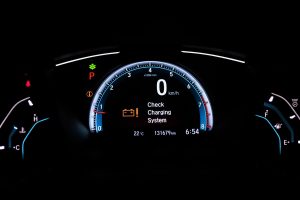
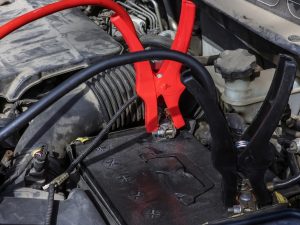
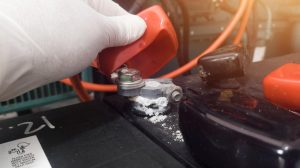
The battery supplies power to everything in your car. If it’s weak or dead, nothing works properly.
Common Symptoms:
- Rapid clicking when turning the key
- No sound at all
- Dim or flickering lights
- Electronics not working
Quick Test:
Try jump starting the car:
- If it starts → battery is the issue
Signs of a Bad Starter
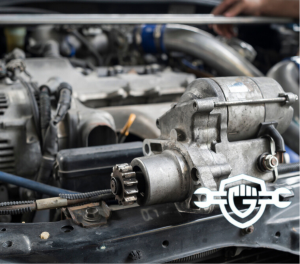

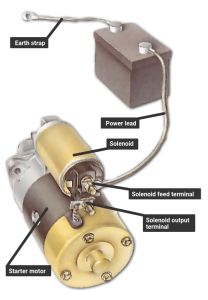
The starter is what actually turns the engine over. If it fails, the engine won’t crank.
Common Symptoms:
- Single, solid click when turning the key
- Lights and electronics work fine
- Engine does not crank
- Intermittent starting issues
Quick Test:
Try jump starting:
- If nothing changes → likely starter
The Fastest Way to Tell
If you only remember one thing, make it this:
- Rapid clicking → Battery
- Single click → Starter
- Starts with jump → Battery
- No change with jump → Starter
Other Things That Can Confuse You
Not everything is battery vs starter. Sometimes it’s:
- Loose or corroded battery terminals
- Weak alternator (battery keeps dying)
- Bad ignition switch
- Blown fuse or relay
Cost Comparison (Why This Matters)
- Battery replacement: $100–$250
- Starter replacement: $300–$800+
Guess wrong and you just volunteered to spend more money than necessary.
Pro Tips
- Always check battery connections first
- Batteries typically last 3–5 years
- If your car struggles to start randomly, don’t ignore it
- Get a simple battery test before replacing anything
Final Thoughts
Most starting issues are simple once you know what to look for. A few quick checks can save you time, money, and a lot of frustration.
Start with the battery, then move to the starter if needed.