
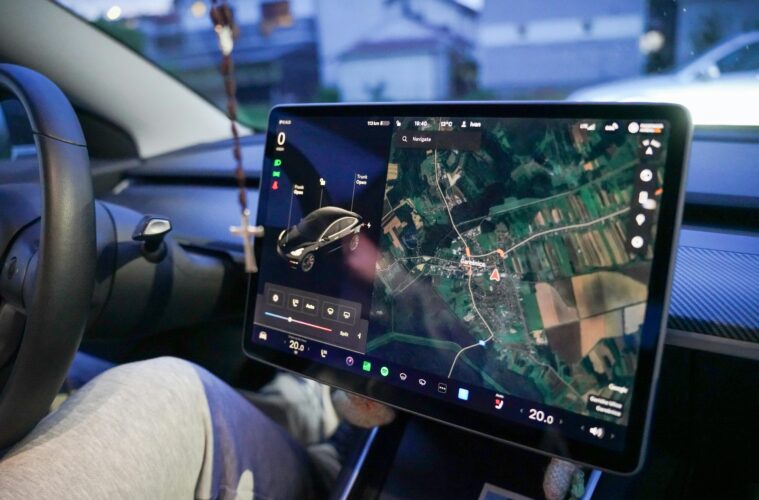
Modern cars are starting to look more like tablets on wheels.
Over the last few years, automakers have added larger touchscreens, digital dashboards, and software-driven controls to nearly every new vehicle. While some drivers love the futuristic feel, others are beginning to question whether giant screens are actually making cars better.
In 2026, the debate is getting louder.
Why Automakers Love Giant Screens
Large displays have become one of the biggest design trends in the automotive world.
Why manufacturers are pushing them:
- They look modern and high-tech
- Software updates can add new features
- Digital controls reduce physical buttons
- Buyers associate big screens with premium vehicles
Many brands now center the entire interior around one massive display.
The Problem With Touchscreen Everything
Not everyone is happy about the shift.
Many drivers say basic functions are becoming harder to use because they are buried inside touchscreen menus.
Common complaints include:
- Adjusting climate controls takes too many steps
- Fingerprints covering displays
- Glare and visibility issues
- Distracting menus while driving
Simple tasks that once required a quick button press now require navigating through software menus.
Some Automakers Are Reversing Course
Interestingly, several manufacturers are starting to bring back physical controls after customer feedback.
Drivers still prefer:
- Real volume knobs
- Physical climate buttons
- Easier-to-use controls while driving
Many experts argue that physical controls are safer because drivers can use them without taking their eyes off the road.
Screens Are Also Becoming a Status Symbol
The size of a car’s screen is now being used almost like a luxury feature.
Vehicles from brands like Mercedes-Benz, Tesla, BMW, and Cadillac now feature:
- Full-width dashboard displays
- Passenger entertainment screens
- Large digital instrument clusters
The interior technology experience is becoming just as important as performance for many buyers.
Learn more:
- Mercedes-Benz Hyperscreen:
https://www.mercedes-benz.com/en/innovation/product-innovation/mbux-hyperscreen/ - BMW iDrive:
https://www.bmwusa.com/innovation/bmw-operating-system.html - Tesla interior technology:
https://www.tesla.com/model3
Are Giant Screens Actually Better?
The answer depends on how the technology is implemented.
Good systems:
- Respond quickly
- Are easy to navigate
- Keep important controls simple
Bad systems:
- Hide everything in menus
- Distract drivers
- Feel overly complicated
Drivers want technology that helps, not technology that gets in the way.
What Happens Next?
Cars are becoming increasingly software-driven, which means screens are not going away anytime soon.
However, automakers may start balancing:
- Digital interfaces
- Physical controls
- Simpler user experiences
As more buyers push back against overly complicated interiors, usability may become more important than screen size alone.
Final Thoughts
Large screens and digital dashboards are now a major part of modern cars, but bigger is not always better.
Drivers want technology that improves the driving experience, not systems that make basic tasks harder than they need to be.
The future of car interiors may not be about adding more screens, but about making them smarter and easier to use.