
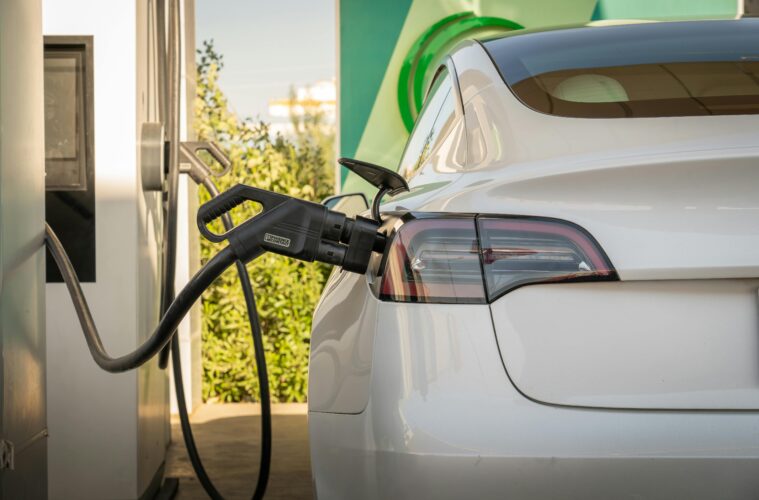
Electric cars are everywhere right now, but so is confusion.
Between rising gas prices, changing incentives, and new models hitting the market, a lot of drivers are trying to figure out if switching to an electric vehicle actually makes sense in 2026.
The answer depends on how you drive, where you live, and what you expect from your car.
Why More People Are Considering EVs Again
Gas prices have been climbing again, which is pushing more drivers to look at alternatives. At the same time, automakers are releasing more affordable electric models and improving battery range.
Even with some ups and downs in EV sales, the overall direction is clear: electric vehicles are becoming a bigger part of the market, just not as fast or as smoothly as expected
The Biggest Advantages of Electric Cars
Electric vehicles have some clear benefits.
Lower Daily Driving Costs
Charging at home is usually cheaper than paying for gas, especially for daily commuting.
Less Maintenance
No oil changes and fewer moving parts can mean fewer repairs over time.
Better for City Driving
EVs are smooth, quiet, and efficient in stop-and-go traffic.
The Downsides You Need to Know
EVs aren’t perfect, and this is where most people hesitate.
Higher Upfront Cost
Electric vehicles are still more expensive to buy in many cases.
Charging Limitations
Charging infrastructure is improving, but it still depends heavily on your location.
Range Anxiety (Still a Thing)
Even though ranges are improving, long trips still require planning.
What’s Changing in 2026
This is where things get interesting.
Cheaper EVs Are Coming
Automakers are shifting toward more affordable models as demand adjusts
Technology Is Improving
Cars are becoming more software-driven, with updates and AI features improving over time
The Market Is Still Stabilizing
The transition to electric is not smooth. It’s in what many analysts call a “messy middle” phase, where adoption is uneven and changing quickly
When an Electric Car Makes Sense
An EV is a good choice if:
- You drive daily and can charge at home
- You want lower long-term running costs
- You mostly drive in the city or short distances
When You Should Stick With Gas (For Now)
A gas car may still be better if:
- You take frequent long trips
- Charging options are limited where you live
- You want the lowest upfront cost
Final Verdict
Electric cars are getting better fast, but they’re not the perfect choice for everyone yet.
For many drivers in 2026, especially those with predictable daily driving and access to home charging, EVs are starting to make real financial sense.
For others, especially those who prioritize convenience and flexibility, gas cars still have an edge.